
Home » Posts tagged 'Catholic Church' (Page 10)
Tag Archives: Catholic Church
Guest response to ‘Liberal’ and ‘Conservative’ in the Church
My blog posts appear on my Facebook wall, and sometimes get comments there. A friend and former parishioner of mine, Colleen Walsh, shared this reply to my quote from Fr. Ladislas Orsy on ‘Liberal’ and ‘Conservative’ in the Church. I would like to see continued conversation on this idea, and will add some of my own thoughts soon, but I asked Colleen if she would allow me to repost her comments here on the blog so a broader audience could take up the theme, and she kindly agreed. [I have made some minor copy and formatting edits, but not edited content]
As always, replies, comments and critiques are welcome, but only respectful contributions will be approved!
Colleen and her husband, Pat
A.J., I think there is actually a post-Vatican II split, some would call a schism of sorts, that is not being considered in this article.
I would have to ask this: If the people who like the Tridentine Mass would be considered the conservatives, and my group could be considered the faithful liberals, due to being post Vatican II, then what would you call the folks that seem to be more liberal than me? There are many examples of this, but I will only mention two for illustrative purposes. One example would be the people in the church that want women priests. Another group of people would be those who seem to actually embrace integrating eastern religious ideas and rituals into the Catholic church. I have had contact with many people of both these beliefs, neither of which, I would wish to be grouped with, if a line is being drawn.
The latter of these groups baffle me. I mean, If Jesus is the real thing, and our church is the One True Church, then it appears that one who believes in the integration of Eastern religion is implying that God somehow goofed and left something out when He started our church. How can that be if we are the One True Church? Last I checked, God doesn’t make mistakes. He picked males to lead his church from the beginning and He also chose His Son to be our saviour, who could bring us to His Father, God. God didn’t expect us to go through some guru to in order to have a relationship with God. If Jesus is the way and no one can come to His Father but by Him, then why do these people feel all paths lead to God? God is a loving God, so why would He ask His only begotten Son to die for us, a horrible painful death, if there were going to be other paths to Him anyway? God would not do it if He thought there was another way. God, in His infinite wisdom, is way smarter than us, and knows the weight of our sin, and it is very, very, heavy! Just look at abortion, for example.
Many folks think I am conservative because I like taking communion on the tongue and am glad that they put kneelers back the churches around here. I am opposed to the idea of inclusive language, don’t agree with the idea of women priests and am against using female altar servers. (I think female altar servers helped contribute to our dwindling number of vocations to the priesthood) I also really like that Mother Angelica and Fr. Corapi and Priests for Life are not afraid to stand up for the sanctity of life in this culture of death. I believe nuns should be happy to wear the habit, and should not be hiding their light under the bushel basket of street clothing. They shouldn’t be afraid to show their Catholic identity! I also do not like round churches as I believe we should be focused on the miracle of the Mass, the Eucharist, not the people across the room from us. That is a distraction. I believe the tabernacle belongs behind the alter, not in a separate room adjacent to the sanctuary like it’s some sort of a side show in a circus. The Eucharist is central to our faith and should not be kicked to the side of the building somewhere. I think a crucifix belongs inside the sanctuary at all times, not these statues of the risen Christ, because as Catholics, not only is it part of our identity, but it is an important reminder that we should see often. (Jesus loves us THIS MUCH, and suffered for us THIS MUCH) We are only human and need that reminder! The devil wants us to forget this. Seeing Jesus crucified helps to form a good sense of Catholic guilt. Contrary to popular belief, Catholic guilt can be a good thing. 🙂 It should be an integrated part of every conscience. It helps us to make the right choice. It helps us make a good examination of conscience. I think the risen Christ status are beautiful and would be a fine, even welcome addition, to today’s church, as long as they are not being used to replace the crucifix. They could be set up at the end of the stations of the cross to finish the story. 🙂 As for stained glass windows, I think it is a shame my first parish, sold their beautiful building in the 80’s to build a new round, visually plain, modernized church without kneelers. The old building had previously been a seminary and the stained glass and mosaics told stories of Saints and the Bible along with a beautiful stations of the cross. This beauty, along with the presence of the Eucharist in the tabernacle behind the altar, and the crucifix in front of the congregation which was a constant reminder of the ultimate sacrifice, created a beautiful setting for Mass, even with the folky guitar music I so enjoyed at the time. It was the perfect mix of old and new, in my opinion.
On the other hand, I have friends who think I am way too liberal because I do not want to go backwards to a complete Latin Mass. I think it’s important to hear the Word and understand it in ones own native language. (on a side note, I have to say, I dislike the bilingual masses our archdiocese is into doing. It seems there is always something lost for those who don’t speak both languages fluently, since they flip flop between the readings and songs. The only REAL bilingual part is the fact that the homily is said in both languages.) I attended a Latin Easter Vigil Mass once and although we could read along in English with every reading, the only part in a English was the homily. Even though the music was pretty, I wanted to sing along and was frustrated that it was mostly only the schola choir allowed to sing during the Mass. I think the part that got me most is that I felt a need to go back home and read the readings all over again in English because I still felt hungry for the Word! I have heard that I picked an extreme Mass to go to for my first Latin Mass, and that it was not typical to do every reading in Latin during many Masses, but I felt it really was not my worship style.
I very much enjoy Lifeteen Mass music, and am not opposed to clapping during songs in Mass. I have even sung with some of the “modern” music groups at different parishes and was even part of a Catholic handbell choir at a local parish before I moved up north. I listen to the local a Christian music station, and I even let my kids watch some secular TV shows, which would be considered taboo for some of my Tridentine friends, many of which don’t believe in even having a TV in the house at all. I am not opposed to holding hands during the “Our Father” and have been known to cross aisles and even give hugs during the sign of peace. Although, I try to wear my Sunday best, but I have to confess that on some occasions I find myself having to wear jeans to Mass. When this happens, I try to at least wear ones that are not too faded and can be sort of dressed up with a nice shirt and some shoes other than tennis shoes, after all it IS the King we are going to see! (Bishop Eusebio reminded me of that when he was our pastor at St. Elizabeth prior to becoming a bishop. It was kinda funny cuz I was so pregnant my feet wouldn’t fit my dress shoes, so I wore my fake birkenstocks the next week so as not to get reprimanded by Father. LOL) My Tridentine friends are almost never seen without a skirt, even on the playground and would never go to Mass without a veil. I do have to say that I am appalled at the fact that so many altar servers in our diocese that wear jeans and tennis shoes under their albs. I think it is not only tacky and distracting, but disrespectful to serve like this. Waiters at restaurant dress nicer than most of these boys!
I have been to charismatic gatherings over the years and have been baptized in the Holy Spirit and very much see the need to reach out to our protestant brothers and sisters and those of other traditions, though I do not believe we should be hiding our Catholic identity by trying to look like protestant churches. I believe music is a great place to find some common ground, both biblically and culturally in our liturgy without losing our Catholic identity in today’s world.
Believe it or not, there is a very large group that is often stereotyped as ultra-conservative, pre-Vatican II, but to the contrary, actually embraces the liberating aspect of hearing God’s Word spoken in a way that is meaningful to them in their own language. It is a group that appreciates the ability to sing praise to God with all the zeal given to us by the Holy Spirit, even, if it means clapping, and using guitars and drums! Yes, there is actually quite a large group of us conservative, yet modern (or as this article seems to call us, ‘faithful liberals’) post -Vatican II folks who are out there. We enjoy the ability to participate in Mass with a more modern worship style. The problem is that some people would like to throw us all into one category with the pre-Vatican II crowd just because we appreciate some of the beauty the old church had to offer, some of the same beauty you get to experience every day while you are in Rome. While we embrace the changes in liturgy given to us by Vatican II, we cling to whatever beauty and traditions we still have in today’s church, sometimes due to a deep understanding of the meaning behind the tradition and other times due to fear that before too long, the Church will be purged of all that identifies Her: throwing the baby out with the bathwater in an attempt to make Her more inviting to non-believers. It would be a sad day if they renovated Rome, yanked out all the crucifixes and kneelers, stripped the buildings of all the stained glass and mosaics in the name of Vatican II.
International Joint Commission for Theological Dialogue between the Catholic Church and the Oriental Orthodox Churches:
A few weeks ago I mentioned running into Fr. Ron Roberson on the streets of Rome as he was heading into this meeting. This is a repost of the report from Oriental Orthodox Church News and Events posted by Ibrahim Yuhanon, S O C E ( Editor ) at 2/02/2011 07:49:00 PM
 The eighth meeting of the International Joint Commission for Theological Dialogue between the Catholic Church and the Oriental Orthodox Churches took place in Rome from January 25 to 28, 2011. The meeting was hosted by His Eminence Cardinal Kurt Koch, the new President of the Pontifical Council for Promoting Christian Unity. It was chaired jointly by Cardinal Koch and by His Eminence Metropolitan Bishoy of Damiette, General Secretary of the Holy Synod of the Coptic Orthodox Church.
Joining delegates from the Catholic Church were representatives of the following Oriental Orthodox Churches: the Antiochian Syrian Orthodox Church, the Armenian Apostolic Church (Catholicosate of All Armenians), the Armenian Apostolic Church (Holy See of Cilicia), the Coptic Orthodox Church, the Ethiopian Orthodox Tewahido Church, and the Malankara Orthodox Syrian Church. No representative of the Eritrean Orthodox Tewahdo Church was able to attend.
The two delegations met separately on January 25, and held plenary sessions each day from January 26 to January 28. Each day of the plenary sessions began with a common celebration of Morning Prayer. In his remarks at the beginning of the first session, Cardinal Koch welcomed the group to Rome, and said that “I have had an enduring ecumenical interest in the Oriental Orthodox Churches, and in your history, your life of faith, your liturgy and theology. I have always felt very at home in your presence. Despite our longstanding separation, we share a solid basis of faith and ecclesial order.” With great sadness the Cardinal also informed the group of the death of one of the Ethiopian Orthodox representatives, Father Megabe Biluy Seife Selassie. He has been replaced by Archdeacon Daniel Seife Michael, an instructor at Holy Trinity Theological University College in Addis Ababa. The cardinal also offered congratulations to Father John Matthews who, since the last meeting, was ordained a bishop and given the name Metropolitan Dr. Youhanan Mar Demetrios, Assistant Metropolitan of Delhi, and to His Eminence Nareg Alemezian who has been elevated to the rank of Archbishop. Metropolitan Bishoy took the occasion to congratulate Cardinal Koch on his appointment as President of the Pontifical Council, and to express his gratitude to Cardinal Walter Kasper for his co-chairmanship of the commission until his retirement last year. He also stressed that the official name of his family of churches should always be “Oriental Orthodox Churches.”
At this meeting, the members continued their study – in a very friendly atmosphere – of the ways in which the churches expressed their communion with one another until the middle of the fifth century and the role played by monasticism in this. The papers presented included “The Communion and Communication that Existed Between Our Churches Until the Mid-Fifth Century of Christian History As Well As the Role Played by Monasticism: The Tradition of Antioch,” by Archbishop Theophilus George Saliba; “The Petrine Office and the Question, Who Established the Church of Rome?: Coptic Orthodox Perspective,” by Metropolitan Bishoy of Damiette, “Communion and Communication Among the Churches in the Tradition of Alexandria,” by Father Mark Sheridan, OSB; “The Role of Monasticism in the Development and Communion of the Churches,” by Father Columba Stewart, OSB; “Communion and Communication that Existed Between Our Churches Until the Mid-Fifth Century of Christian History and the Role Played by Monasticism: The Ethiopian Experience,” by Archdeacon Daniel Seife Michael Feleke; “The Reception of the Ecumenical Councils in the Armenian Tradition (VIII-XV cc.)” and “Communion and Communication,” by Archbishop Yeznik Petrossian; “Communion and Communication Between the St. Thomas Christians of India and Other Churches till Mid-Fifth Century A.D. – Indian Orthodox Perspective,” by Metropolitan Dr. Gabriel Mar Gregorios; “Communion and Communication Between the St. Thomas Christians of India and Other Churches till Mid-Fifth Century A.D. – A Syrian Orthodox Perspective,” by Metropolitan Dr Kuriakose Theophilose; “Communion and Communication Among the Churches: Rome in the Pre-Constantinian Era,” by Prof. Dietmar W. Winkler.
In these various studies, the members of the commission focused more precisely on the concrete expressions of communion and communication among the churches before the separation. Indeed, communion was expressed primarily through various forms of communication. It was noted that in the pre-Constantinian period, there was an intense communication among the churches, especially in times of crisis. There was a common sense of responsibility towards the other churches that was found most clearly in the exchange of letters and synodal decisions. These provided a means of conveying encouragement and challenge to one another, as well as theological clarifications. This exchange was mutual among the various churches. It exemplified a remarkable degree of communion among local communities in a process that lacked central direction after 250 years of expansion throughout the Roman Empire and beyond, including Armenia, Persia, Ethiopia and India. The universal phenomenon of Christian asceticism, present from the earliest times, found expression in the monastic movements, emerging from the late third century in all parts of the Christian world. There was a fruitful exchange of monastic spiritual writings emanating from the Christian Orient, even across doctrinal divisions.
In the evening of January 25, the members attended a Vespers service in the Basilica of Saint Paul’s Outside the Walls presided over by His Holiness Pope Benedict XVI for the conclusion of the Week of Prayer for Christian Unity. In his homily the Holy Father made reference to the presence of the members of the dialogue, and said, “We entrust the success of your meeting to the Lord, that it may be another step forward towards our longed-for unity”. On Thursday evening January 27, Cardinal Koch hosted a dinner for the dialogue members and staff of the Pontifical Council for Promoting Christian Unity at the Domus Sanctae Marthae in the Vatican.
Pope Benedict XVI received the members of the commission in private audience on Friday morning January 28. Cardinal Koch and Metropolitan Bishoy thanked the Pope for receiving the commission, and Metropolitan Bishoy presented a Coptic icon of Saint Mary the Mother of God to him on behalf of the members of the commission. The Pope then greeted the members, saying “It is with great joy that I welcome you, the members of the Joint International Commission for Theological Dialogue between the Catholic Church and the Oriental Orthodox Churches. Through you I gladly extend fraternal greetings to my venerable Brothers, the Heads of the Oriental Orthodox Churches. I am grateful for the work of the Commission which began in January 2003 as a shared initiative of the ecclesial authorities of the family of the Oriental Orthodox Churches and the Pontifical Council for Promoting Christian Unity. As you know, the first phase of the dialogue, from 2003 to 2009, resulted in the common text entitled Nature, Constitution and Mission of the Church. The document outlined aspects of fundamental ecclesiological principles that we share and identified issues requiring deeper reflection in successive phases of the dialogue. We can only be grateful that after almost fifteen hundred years of separation we still find agreement about the sacramental nature of the Church, about apostolic succession in priestly service and about the impelling need to bear witness to the Gospel of our Lord and Saviour Jesus Christ in the world. In the second phase the Commission has reflected from an historical perspective on the ways in which the Churches expressed their communion down the ages. During the meeting this week you are deepening your study of the communion and communication that existed between the Churches until the mid-fifth century of Christian history, as well as the role played by monasticism in the life of the early Church. We must be confident that your theological reflection will lead our Churches not only to understand each other more deeply, but resolutely to continue our journey decisively towards the full communion to which we are called by the will of Christ. For this intention we have lifted up our common prayer during the Week of Prayer for Christian Unity which has just ended. Many of you come from regions where Christian individuals and communities face trials and difficulties that are a cause of deep concern for us all. All Christians need to work together in mutual acceptance and trust in order to serve the cause of peace and justice. May the intercession and example of the many martyrs and saints, who have given courageous witness to Christ in all our Churches, sustain and strengthen you and your Christian communities. With sentiments of fraternal affection I invoke upon all of you the grace and peace of our Lord Jesus Christ.”
The ninth meeting of the International Joint Commission will take place in Addis Ababa, Ethiopia, at the invitation of His Holiness Abune Paulos I, Patriarch of the Ethiopian Tewahido Orthodox Church. The members will plan to arrive on Monday January 16, 2012, and depart on Monday January 23. The two delegations will meet separately on Tuesday January 17, and in plenary session on Wednesday, Thursday and Saturday, January 18, 19, and 21. They will participate in the celebration of Epiphany (Timkat) on January 20, and in Sunday liturgies on January 22.
The members concluded with joyful thanks to God, the Father Son and Holy Spirit, for what has been accomplished at this meeting.
* * *
The members of the Commission are:
Representatives of the Oriental Orthodox Churches
(in alphabetical order)
Armenian Apostolic Church— Catholicosate of all Armenians: H.E. Khajag Barsamian, Archbishop of the Eastern Diocese of the USA, New York; H.E. Archbishop Yeznik Petrossian, General Secretary of Bible Society of Armenia, Etchmiadzin, Armenia;
Armenian Apostolic Church— Holy See of Cilicia: H.E. Archbishop Oshagan Choloyan, Prelate of the Eastern Prelacy in the USA, New York; H.G. Archbishop Nareg Alemezian, Ecumenical Officer of the Holy See of Cilicia, Antelias, Lebanon;
Coptic Orthodox Church: H.E. Anba Bishoy (co-chair), Metropolitan of Damiette, Egypt, General Secretary of the Holy Synod of the Coptic Orthodox Church; Rev. Fr. Shenouda Maher Ishak, West Henrietta, New York, USA; H.G. Bishop Daniel of the Coptic Orthodox Church in Sydney, Australia (observer);
Eritrean Orthodox Tewahdo Church: Rev. Fr. Kaleab Gebreselassie Gebru, Eritrean Orthodox Tewahdo Patriarchate, Asmara, Eritrea (unable to attend);
Ethiopian Orthodox Tewahido Church: Archdeacon Daniel Seife Michael Feleke of Holy Trinity Theological University College in Addis Ababa; Mr. Lique Hiruyan Getachew Guadie (unable to attend);
Malankara Orthodox Syrian Church: H.E. Metropolitan Dr. Gabriel Mar Gregorios, President of the Department of Ecumenical Relations, Diocese of Trivandrum, India; H. G. Metropolitan Dr. Youhanon Mar Demetrios, Assistant Bishop of Delhi (co-secretary), Delhi, India.
Syrian Orthodox Church of Antioch: H.E. Mor Theophilus George Saliba, Archbishop of Mount Lebanon, Secretary of the Holy Synod of the Syrian Orthodox Church, Beirut, Lebanon; H.E. Kuriakose Theophilose, Metropolitan of the Malankara Syrian Orthodox Theological Seminary and President of the Ecumenical Secretariat of the Malankara Syrian Orthodox Church in India, Ernakulam, India;
Representatives of the Catholic Church
His Eminence Cardinal Kurt Koch (co-chair), President of the Pontifical Council for Promoting Christian Unity;
Most Reverend Paul-Werner Scheele, Bishop Emeritus of Würzburg, Germany;
Most Reverend Youhanna Golta, Patriarchal Auxiliary Bishop of the Coptic Catholic Patriarchate, Cairo, Egypt;
Most Reverend Jules Mikhael Al-Jamil, Procurator of the Syrian Catholic Patriarchate to the Holy See and Apostolic Visitator in Europe, Rome;
Most Reverend Peter Marayati, Armenian Catholic Archbishop of Aleppo, Syria;
Most Reverend Woldetensae Ghebreghiorghis, Apostolic Vicar of Harar, Ethiopia, President of the Ecumenical Commission of the Catholic Church in Ethiopia and Eritrea;
Rev. Fr. Frans Bouwen M.Afr., Consultant to the Pontifical Council for Promoting Christian Unity; Jerusalem;
Rev. Fr. Columba Stewart, OSB, Executive Director, Hill Museum and Manuscript Library, St. John’s Abbey and University, Collegeville, Minnesota, USA;
Rev. Fr. Ronald G. Roberson, CSP, Associate Director of the Secretariat for Ecumenical and Interreligious Affairs, US Conference of Catholic Bishops, Washington, DC, USA;
Rev. Fr. Paul Rouhana, OLM, Université Saint-Esprit, Kaslik, Jounieh, Lebanon (unable to attend);
Rev. Fr. Mark Sheridan, OSB, Pontificio Ateneo S. Anselmo, Rome;
Rev. Fr. Mathew Vellanickal, Vicar General of the Archdiocese of Changanacherry, India;
Rev. Fr. Boghos Levon Zekiyan, Pontifical Oriental Institute, Rome;
Prof. Dietmar W. Winkler, Consultant to the Pontifical Council for Promoting Christian Unity, Salzburg, Austria.
Rev. Fr. Gabriel Quicke, Official of the Pontifical Council for Promoting Christian Unity, Rome (co-secretary).
Rome, January 28, 2011
The Jerusalem of Europe: Spirituality and Religion
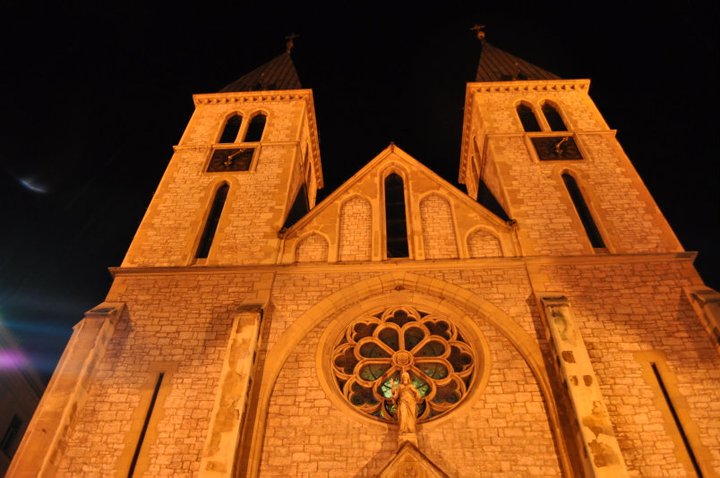
Cathedral of the Sacred Heart (Catholic), Sarajevo
The city of Sarajevo sits in an area that has been inhabited since the Neolithic age, with a medieval settlement in the region large enough that a cathedral was established by the early 13th century. Sarajevo as it is known today is traditionally said to be established in 1461 under Ottoman rule. It is known as the Jerusalem of Europe in part for its location between east and west, and for its concentration of major religious houses of worship in such close proximity. Within less than a square kilometer one can find the Catholic and Orthodox cathedrals, the Emperor’s Mosque, and the Sephardic Synagogue, as well as other mosques and churches. We toured several during our first evening.
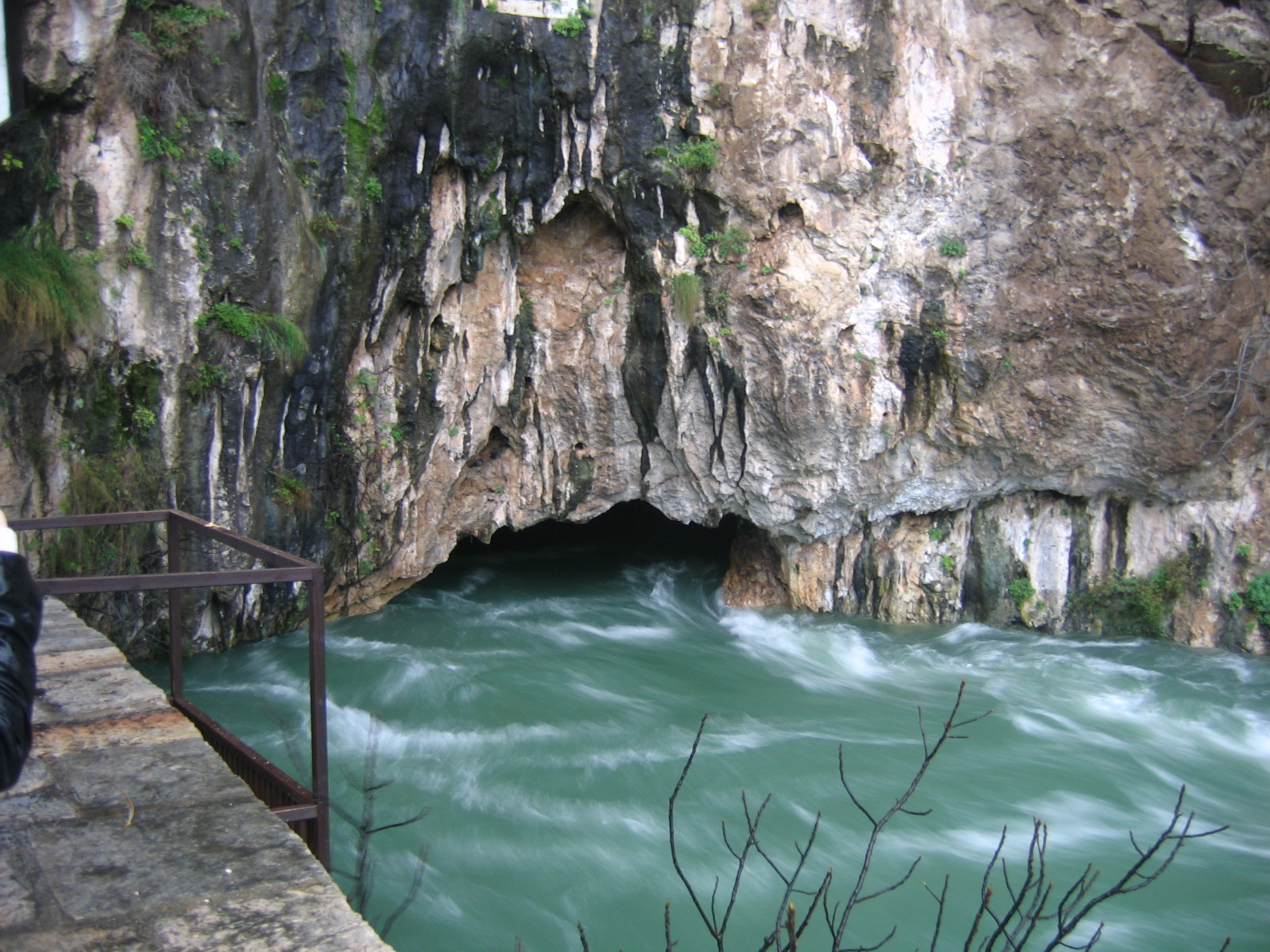
Buna River source, from Blagaj Tekije
On the second day of the conference, we took a bus tour through Herzegovina, visiting pilgrimage sites of each of the major religious groups. Our first stop was a Tekije (A Dervish house, like a monastery) in Blagaj, overhanging the source of the Buna River. The Tekije (or Tekke) was built in the 16th century, and also houses something rather unusual for Muslim holy places, which is a Türbe, a tomb or shrine, of two of the sheikhs who had lived here.
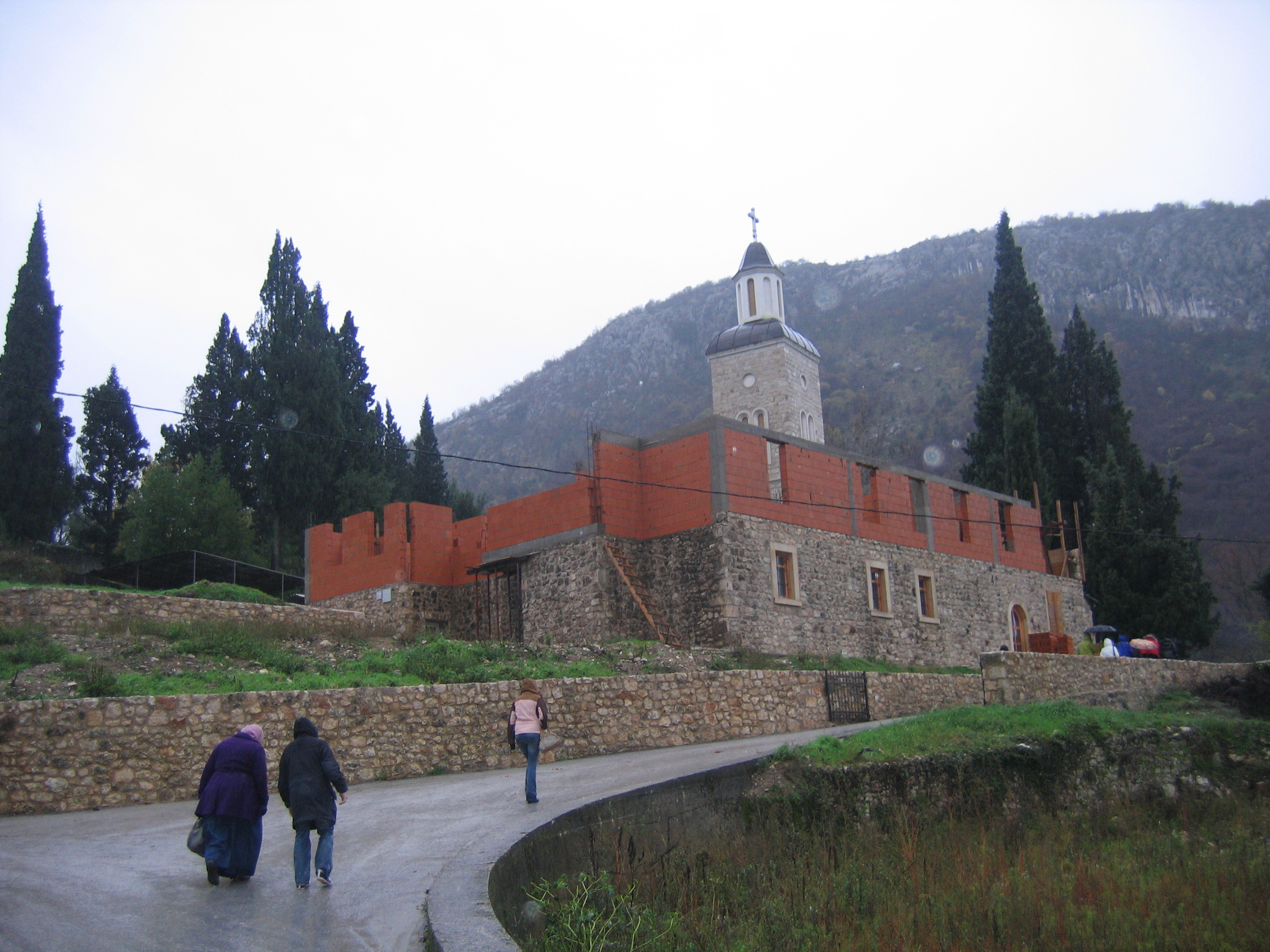
Žitomislić Monastery
We then moved to the Žitomislić monastery with its Church of the Annunciation, a community of Serbian Orthodox monks, which had been originally established in the late 16th century. It is a site of martyrdom, as well: the monks here were all killed during World War II by Axis-allied Ustaše (Croatian Revolutionary Movement) and the buildings razed. It was rebuilt after the war only to be destroyed again in 1992 during the Bosnian wars and the collapse of Yugoslavia. The most recent reconstruction began in 2002.
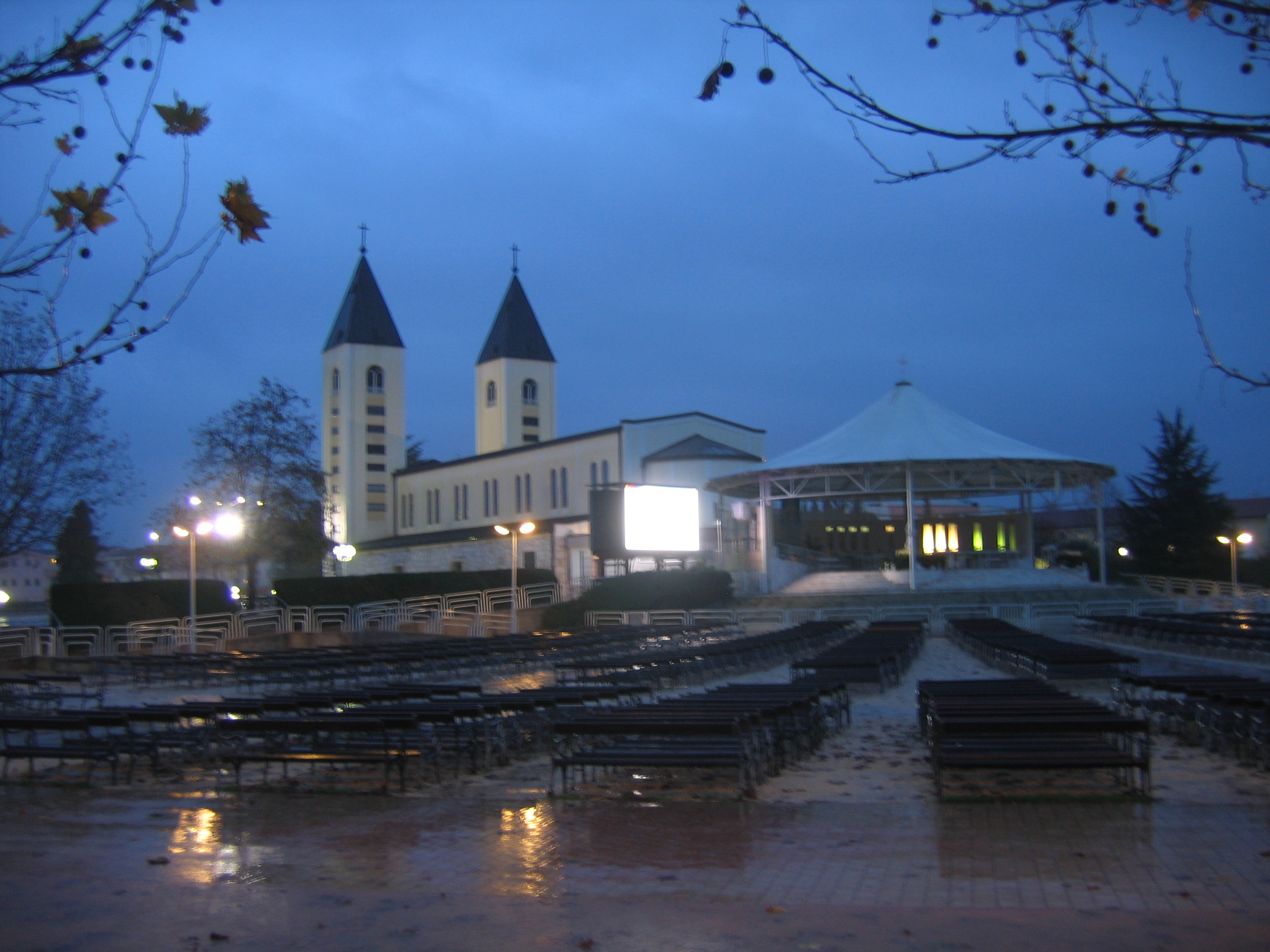
Međugorje church and outdoor pilgrim chapel
Međugorje was our next site. It had been pouring rain all day, and it was already dark by the time we arrived. Until the day before, I had not realized we would be coming, so I had not brushed up on the apparitions there, yet as the only Catholic theologian in the group, I was the default expert. Several people had not heard of the site, and were not familiar with the Catholic tradition of Marian apparitions, though some did know of either Lourdes or Fatima. There were few pilgrims in the church, and between the dark and the downpour we could not see or get up the hill. Since 1981, there have been claims of apparitions here, and the Holy See has not yet made a final decision regarding the site (and will not until the apparent apparitions abate), though the initial investigation by the local ordinary, concluded in 1986, was critical. The current status is that it remains open, and that no one is forbidden from going unless and until the message is determined to be false. At its best, the Church would never require anyone to believe in the messages, as general revelation ceased with the apostles, but would allow veneration.
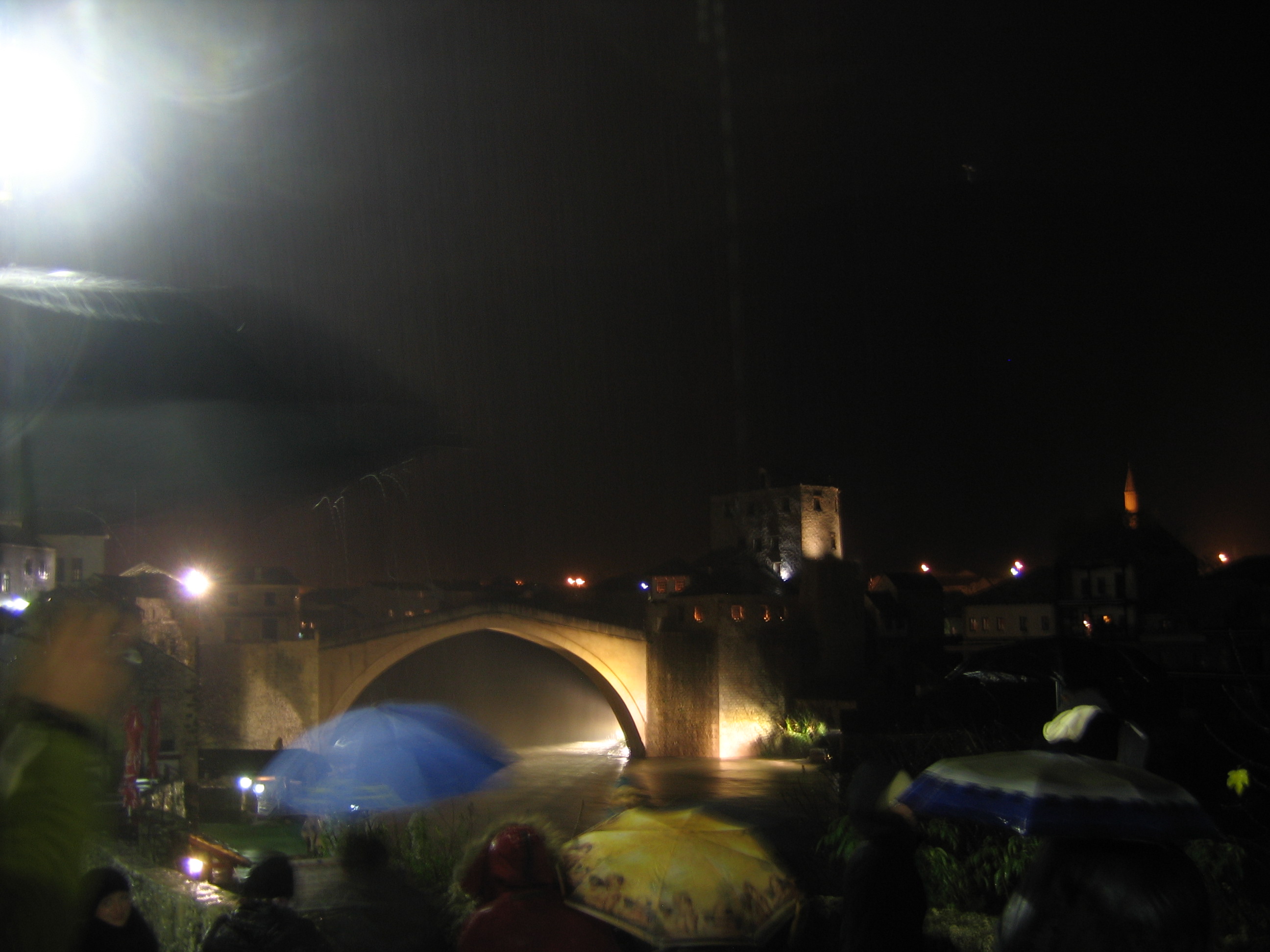
Stari Most (Old Bridge), Mostar
Finally, we ventured to Mostar, a 15th century city known for its Stari Most (“Old Bridge”), which stood from 1566-1993 when it was destroyed by Bosnian Croat forces during the war. A new Old Bridge has been reconstructed using the same technology and local materials as the original. It was inaugurated in 2004. Since 2005 it has been on the World Heritage List. It was another great city that was unfortunate to visit in darkness and a downpour that would contribute to the flooding of the region in the days to follow. We had a pleasant local dinner and sampled Bosnian wine before heading back to Sarajevo.
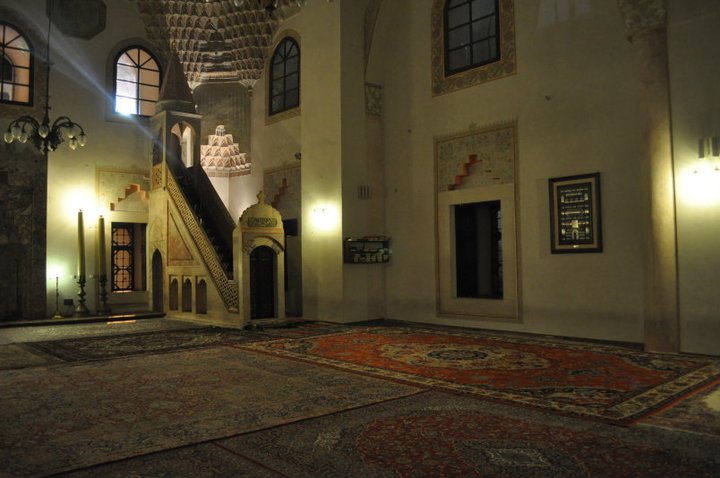
Emperor's Mosque, Sarajevo
Teaching in New Orleans
What does a humanities graduate student do for summer work in this economy? “Not much” is the punch line most are looking for, but I have had a few rewarding opportunities for which I am grateful.
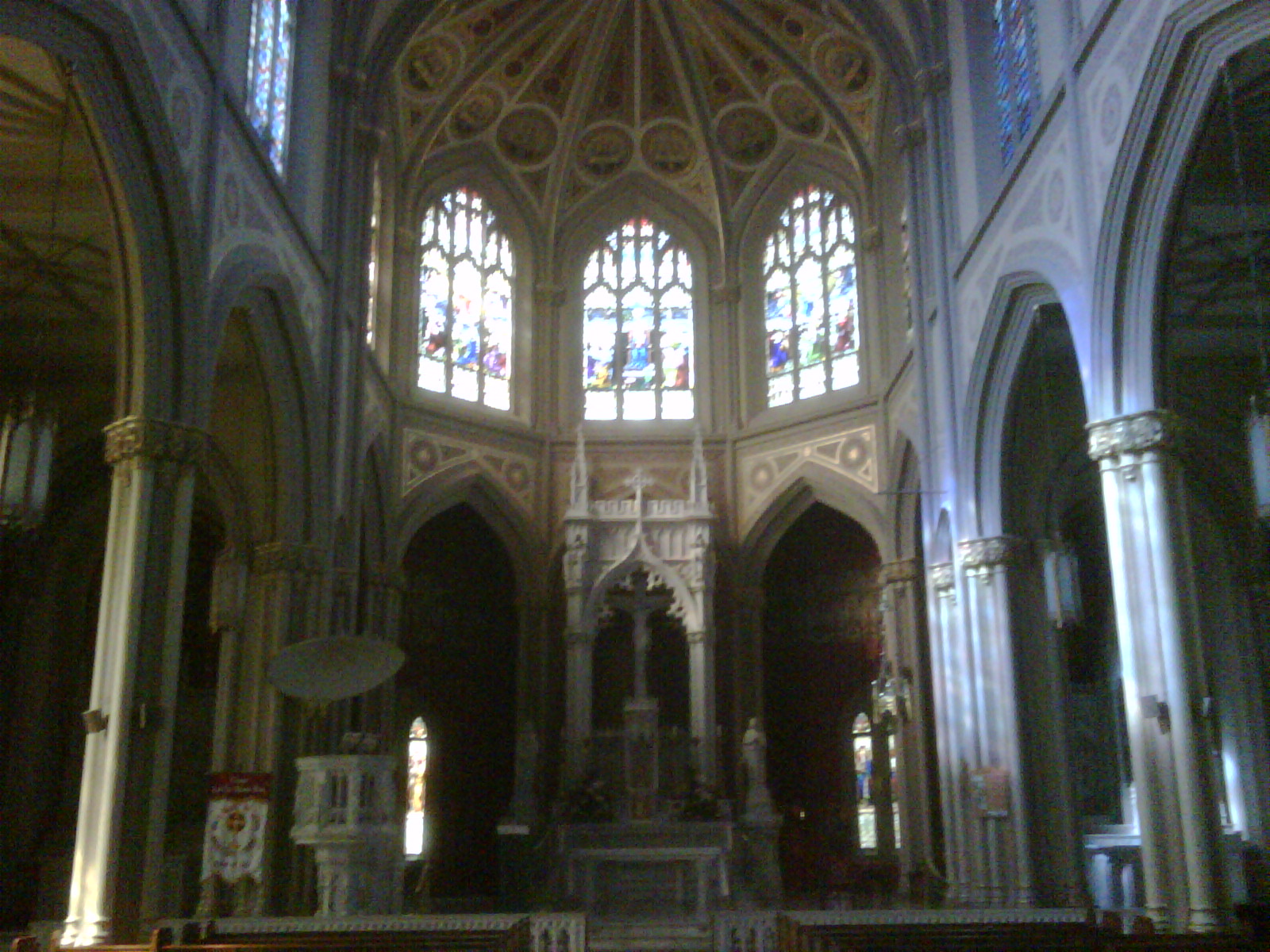
Holy Name of Jesus Parish Church, Loyola Unviersity New Orleans
There is still some room on my schedule for some others, if you know of any! Some of my usual work was not available – I have served as faculty or field staff for the Vicar for Clergy, the Faith Formation, Liturgy, and Youth & Young Adult Ministry offices in the past, but several budgets have been cut, and other classes were booked as early as January, and I only started looking in February!
I will be teaching two courses on the Eucharist for our Liturgy Ministers Institute, and working with a couple parishes on leadership development and reorganizational processes, but the most interesting offer was a 10-hour course for the Archdiocese of New Orleans’ Institute for Catechetics and Spirituality, which I taught this week. “An Introduction to Ecumenism and Interreligious Dialogue” – ten hours is nowhere near enough, but sadly more than most in ministry get!
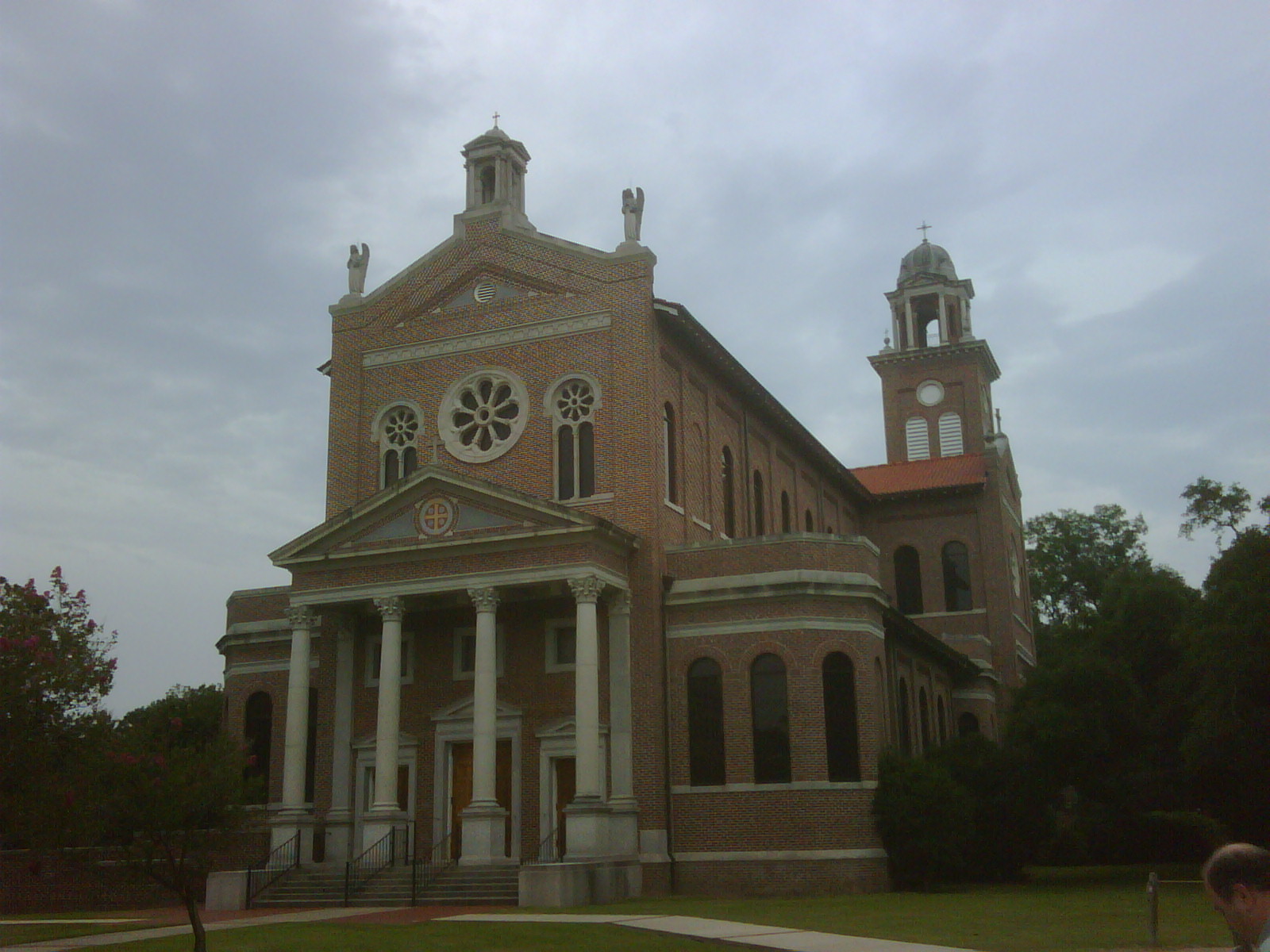
St. Joseph Abbey Church
The Big Easy was hot and humid, but a year and Rome had prepared me. I was only stateside for a few days and just about recovered from jetlag when I left back across the country on a flight almost as long as the one that brought me home from the Netherlands – a reminder that Euclidean geometry does not apply when making flight plans!
My host for the week was a friend and fellow ecumenist/lay ecclesial minister, Buddy Noel. My first moments in New Orleans provided an opportunity for prayer. On his way to the airport to pick me up, Buddy was caught in one of the South’s infamous downpours, and his car hydroplaned into the one in front of him in a backup on the Interstate. At least 12 cars were involved in a number of different collisions in the same area at the same time. His car totaled, Buddy was able to walk away with only bruises from the seatbelt and airbag. As he was making calls from the side of the road, his phone died. Long story short, he got a ride to the airport and had to have them page me, just a couple hours after his accident. I have been given great hospitality before, but this takes things to the extreme!
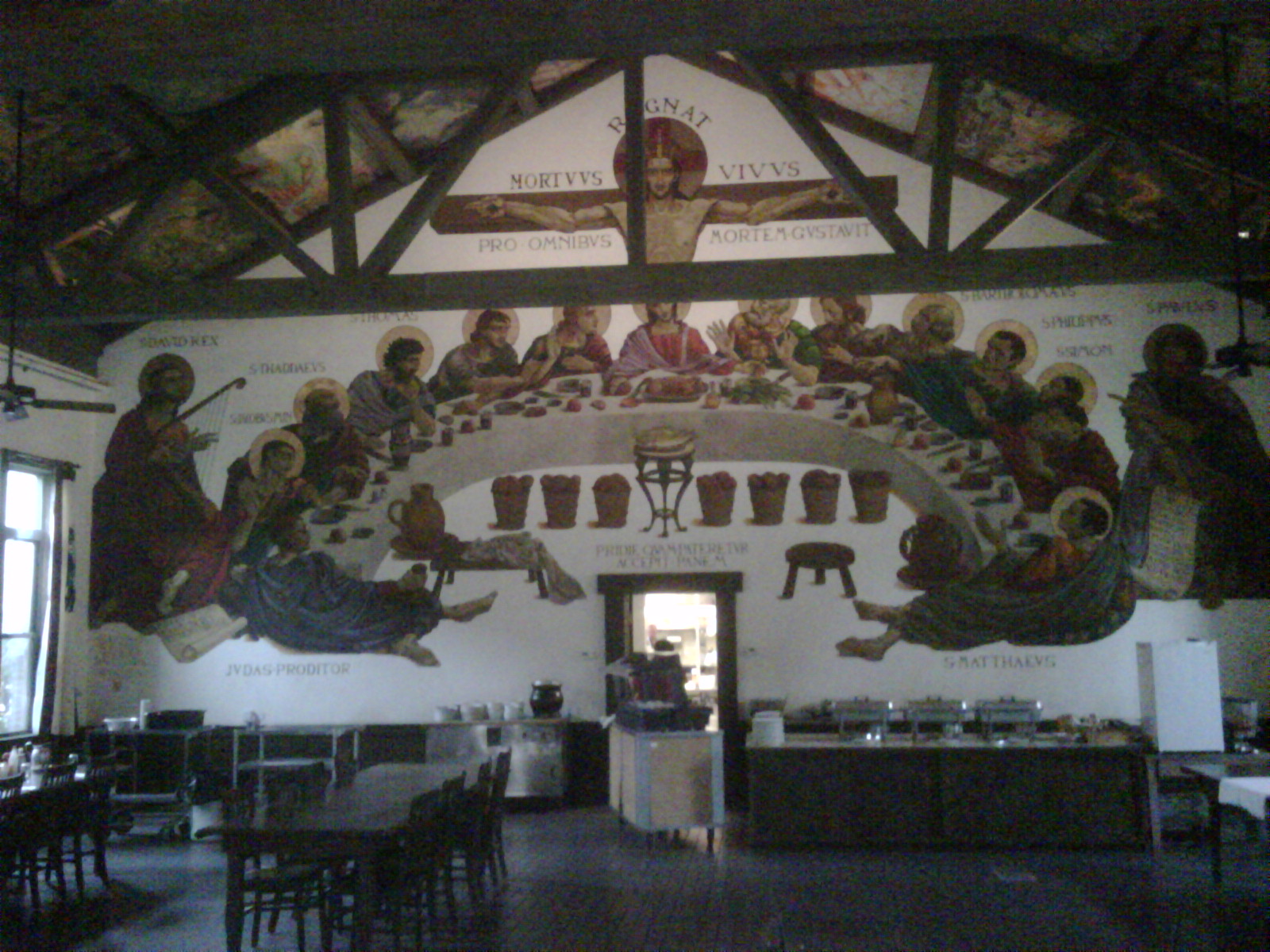
Last Supper, Refectory of St. Joseph Abbey
With a small group for the class, I was able to tailor much of it to some of the questions and expectations of the students, who were a mix of parochial school teachers, parish staff, and interested lay people. And nothing reinforces one’s own studies like teaching a topic, especially when you have to distill the highlights of a dozen years of study into a few hours. It also gave me plenty of time to talk with people and find out a little about the state of the church in one of the Catholic culture centers of the U.S. It was also only my second time to New Orleans, the last being just before Katrina; this time, they were just fitting the well with the new device to see if they could finally stop the largest oil disaster in history.
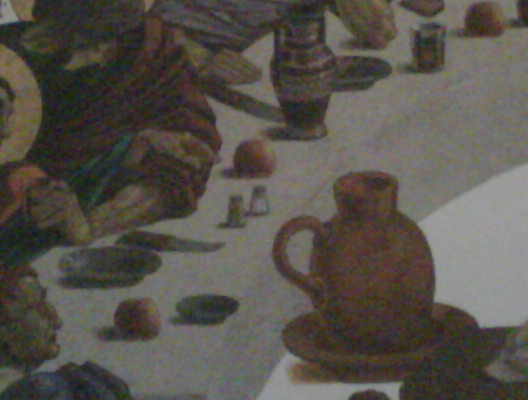
Last Supper (detail): Salt and pepper shakers, eh?
Archbishop Gregory Aymond has been the Ordinary there for just about a year, the first native of the diocese to serve as its bishop. Everyone I spoke with was positive about his appointment, with sentiments ranging from pride for a home-town boy done well to enthusiasm for his ecclesiology – and apropos to my visit – his commitment to local ecumenism.
The city has recovered its population and most of its infrastructure from Katrina, which hit nearly five years ago, but there have been changes. The Lower Ninth Ward looked like a field with a few funky, new houses scattered throughout – you would never know it had been a crowded urban neighborhood until the storm surge. There were still signs of the Katrina, a few gutted and abandoned houses throughout the city, a few roads sinking into the silt, but these were the exception rather than the rule. One of my students had been involved in a Chinese Catholic community that had been fairly active before the storm, whose members are now in diaspora around the country; A similar story with some of the small Eastern Catholic parishes in the diocese. Several people have simply moved to the other side of Lake Pontchartrain.
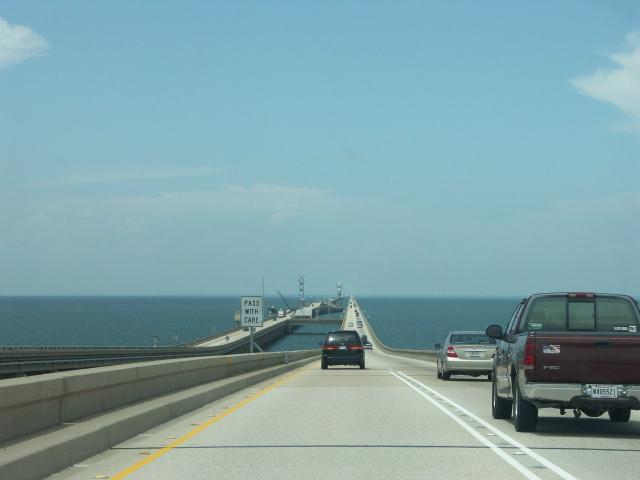
Lake Pontchartrain Causeway
The hospitality was generous and the food was excellent; the company was both! I was blessed to talk with new people each night, sample my first Po’Boys and some Gulf Coast seafood (sans oil), and wander the French Quarter, complete with obligatory beignet and Café au Lait. We prayed evening prayer with the Benedictines at St. Joseph Abbey, and I rode across the longest bridge in the world. Imagine driving onto a bridge and not being able to see land at the far side! The Lake Pontchartrain Causeway is about 24 miles (38.5km) from one shore to the other.
One little tidbit I picked up that fellow pastors and pastoral workers would find interesting, as well as the discussions around parish closings and reconfigurations after Katrina, was the relationship of parish and parochial school. Unlike the northwest, where a fractional minority of Catholic students attend Catholic schools, most in New Orleans do so. The relationship is a little better developed in some respects, as well – for example, the parish Director of Religious Education oversees the curriculum and instruction in both the parish religious education and youth ministry programs as well as the parish school classrooms.
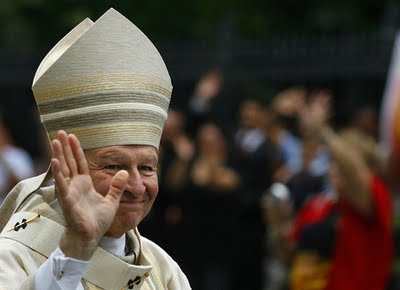
Archbishop Gregory Aymond of New Orleans
The Dutch, I Presume?
Holland and Netherlands are not the same thing, and the people and language are Dutch (though Flemish works, too). It does not help the rest of us, I suppose, that the Dutch national team was competing in the World Cup as Holland, though it was in fact the whole of the Netherlands represented. Holland is the western part of the Netherlands, one of the regions and once-independent states that combined to form the Netherlands, which itself is part of the region known variously as the Low Countries and the Benelux region (Belgium-Netherlands-Luxembourg).
In fact, while Eveline and I were touring the canals of Den Bosch, the volunteer tour boat captain asked the 20 people on board how many were from Holland. Considering I was the only person not speaking Dutch, I was surprised when Eveline was the only one to raise her hand – the rest were from elsewhere in the Netherlands: Friesland, Zeeland, Gelderland et al.
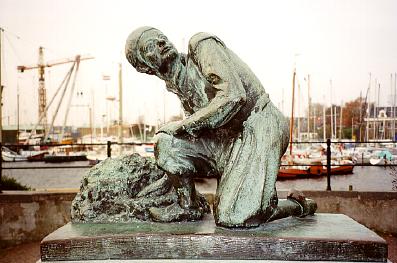
Hans Brinker, the boy everyone knows about for sticking his finger in the dyke to keep it from flooding. Everyone but the Dutch, that is.
A few people asked what my impressions of the Netherlands were, and what my expectations had been. Everyone seemed genuinely surprised that growing up on the far end of America, I had even heard about their country as a child. When visiting Kinderdyke, a picturesque concentration of nearly 20 windmills, we saw a notation in the guestbook reading, “It is a childhood dream come true to see these! Thank you!” The mild scoffing by the natives at the remark earned an explanation from me that indeed the mills and dykes of the Netherlands are known to us since childhood. Who knew that most Dutch have never heard of Hans Brinker?
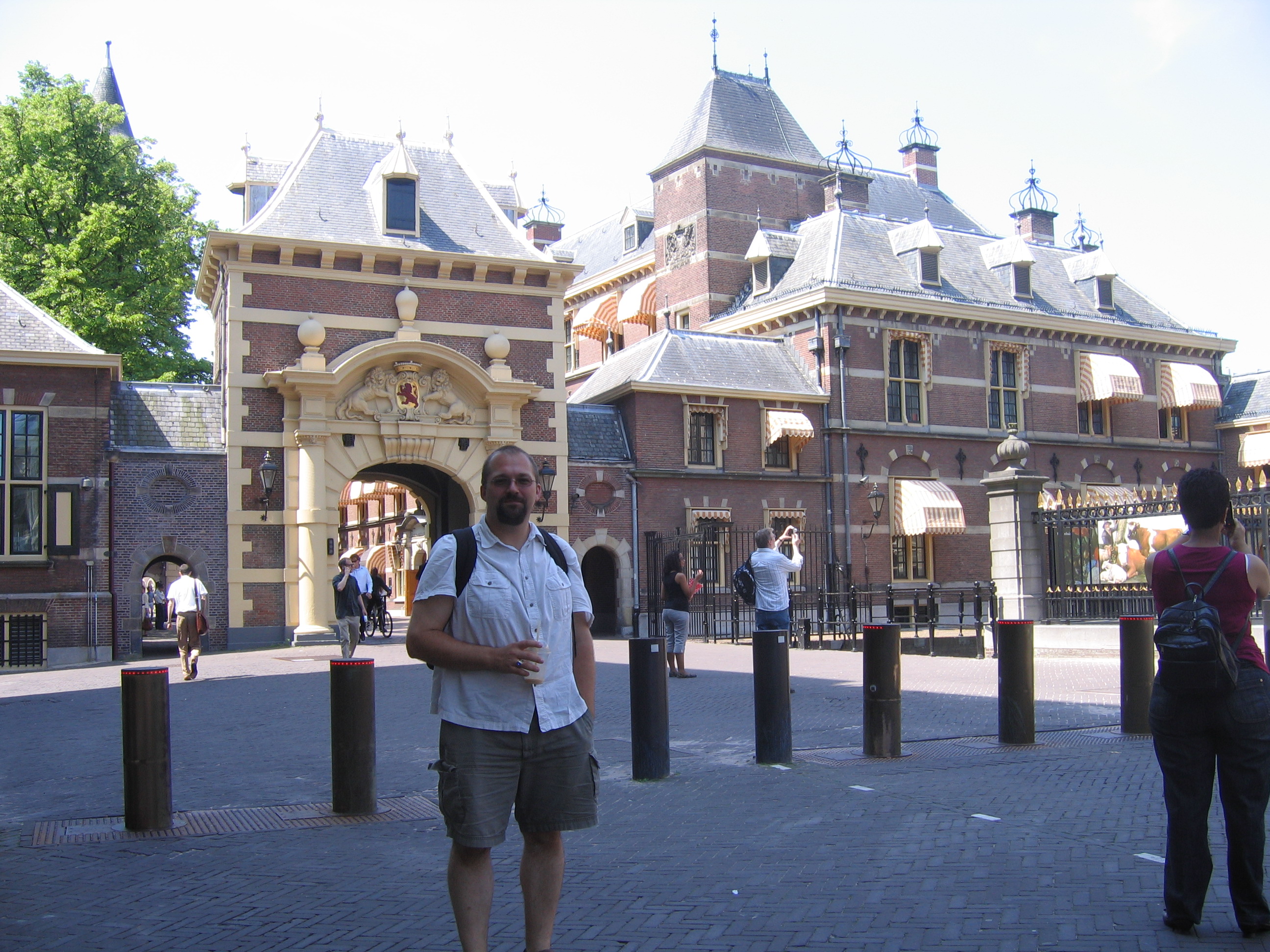
In front of the Binnenhof, home of the Dutch States-General (parliament)
A few words to describe my impressions? Fiets (bicycles)! Windmills, dykes, canals, and polders. Skating. Decorated bread! Drop (liquorice). Small country and houses. Friendly people, hospitality. Stroopwafels and Gouda (‘how-da’) cheese. [The Netherlands is about 16000 square miles – roughly 2/3 the size of Western Washington; the size of Massachusetts and Connecticut combined.]
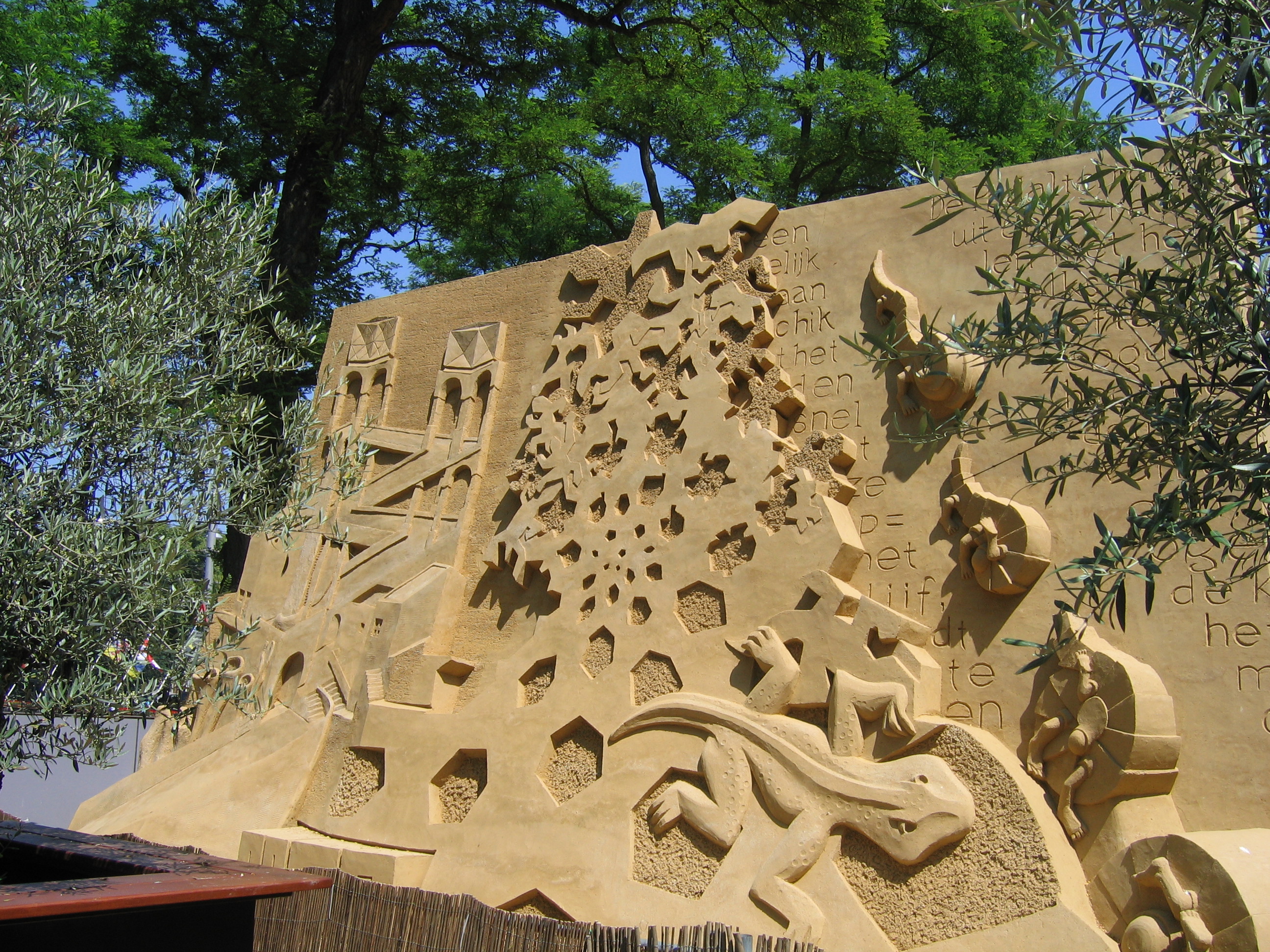
M.C. Escher tribute in sand
During a game of Dutchopoly, which was lost to the aforementioned theologian-diplomat, I got a pop quiz from her mom: “Do Americans know any [contemporary] famous Dutch people?” Schillebeecx, of course! And Visser t’Hooft. (Pronounced tohft, not tooft, I discover after the laughter subsides…) M.C. Escher is well known, but I doubt many know he was Dutch. Historical figures are more likely: Spinoza, Erasmus, Van Gogh. I had already mentioned Hans Brinker to mostly blank stares. But actors, musicians, athletes? Not so sure…
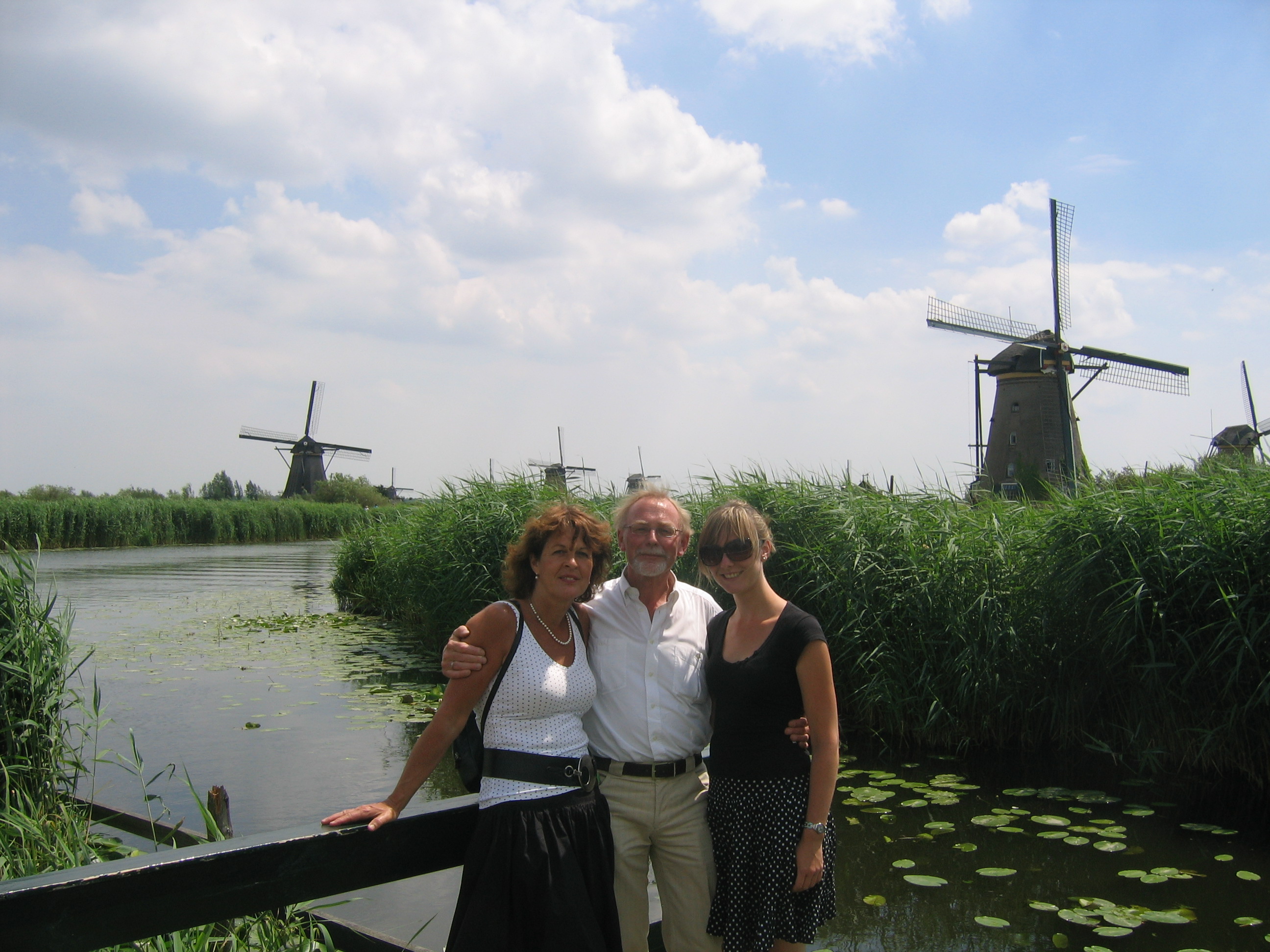
My generous hosts
After Amsterdam, I got a full day to explore the university town of Tilburg, Eveline’s college home for the last five years. Big, beautiful, rarely visited churches; bicycles in the tens of thousands parked at the train station; a large outdoor shopping district. I discovered almost immediately that the Dutch do not anticipate size-13 American feet when designing stairs.
Amsterdam may be the capital, but the seat of government is Den Haag (The Hague), which is where the Queen, parliament, and the embassies cluster, not to mention the international criminal courts. Like Amsterdam it dates from about the 13th century, and retains a great deal of European charm. A little less so, Rotterdam, which we visited next. Though an older city, its historic center was all but completely demolished during WWII. Definitely something to be in the midst of The Hague and the sea of orange as Holland won its way to the World Cup finals!
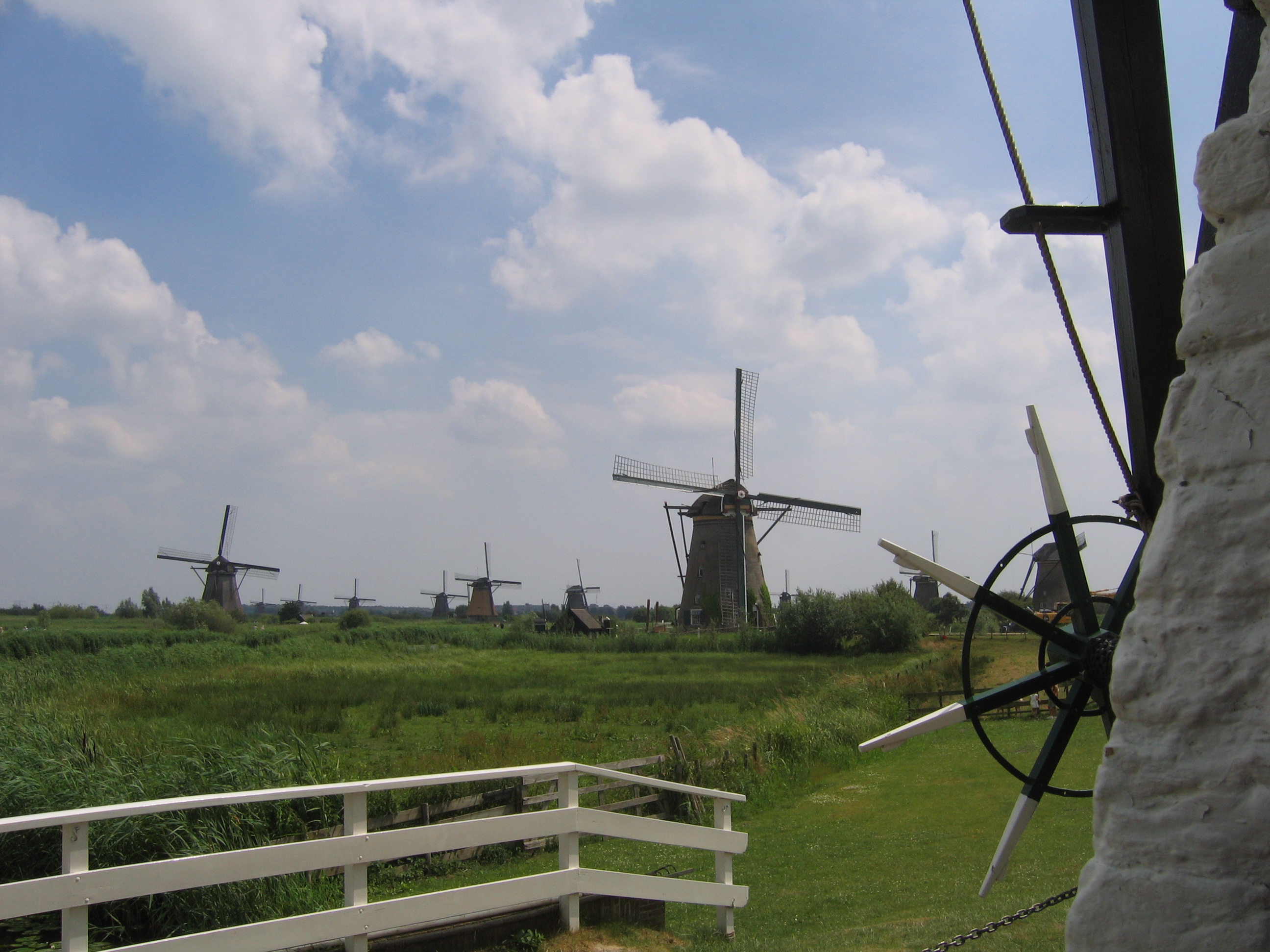
Kinderdyke
Over the weekend we retreated to Maasdam in South Holland, a small rural town where Eveline grew up and where her parents still keep her childhood house. Her father rides his bike 40 km to work daily, as he has for decades, and her mother has a pair of wooden clogs she still uses for working in the garden. We toured the island by fiets, and I discovered this is a lot easier to do when A) the entire country is flat and below sea level, B) you ride street cruisers rather than mountain bikes, and C) the entire country is crisscrossed with dedicated bicycle paths, not just 18” lanes on the side of a road!
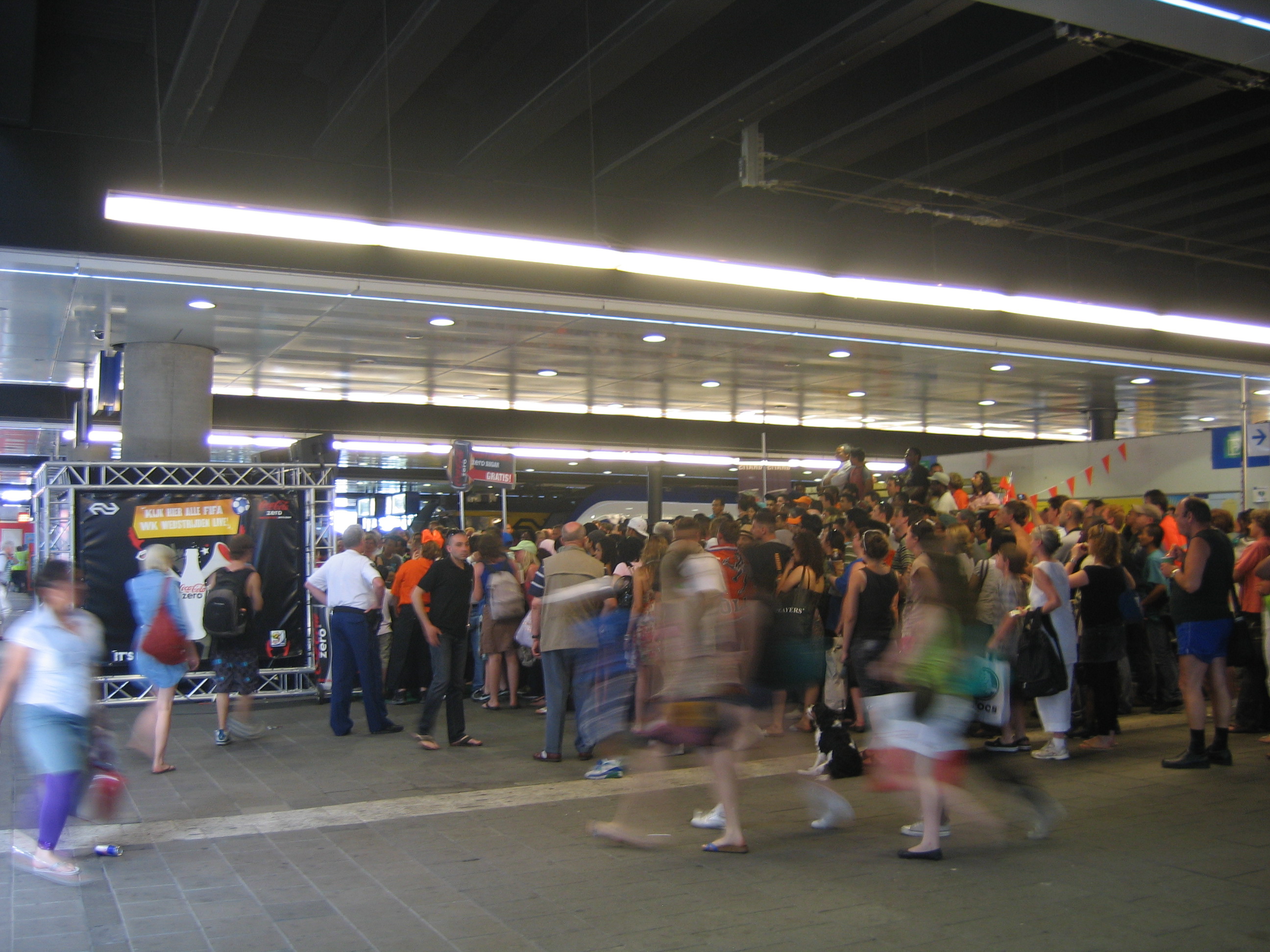
World Cup game ends in five minutes. Your train leaves in three. Where would you be?
Sunday was my first Fourth of July outside the U.S. Thanksgiving in Rome had had all the feel of home, a big feast and a gathering of friends, but there were no fireworks for me for Independence Day. (“So that’s why they always play that movie on TV today!” she says). There is plenty of Red, White, and Blue, however, since those are the colors of the Dutch flag as well – though Orange is the ‘unofficial’ color of the country, William of Orange being the ‘founding father’ if you will. We spent the afternoon touring the windmills of kinderdyke and the surrounding area. It is a little bit eerie to see rivers flowing through fields where the river is consistently higher than the land around it!
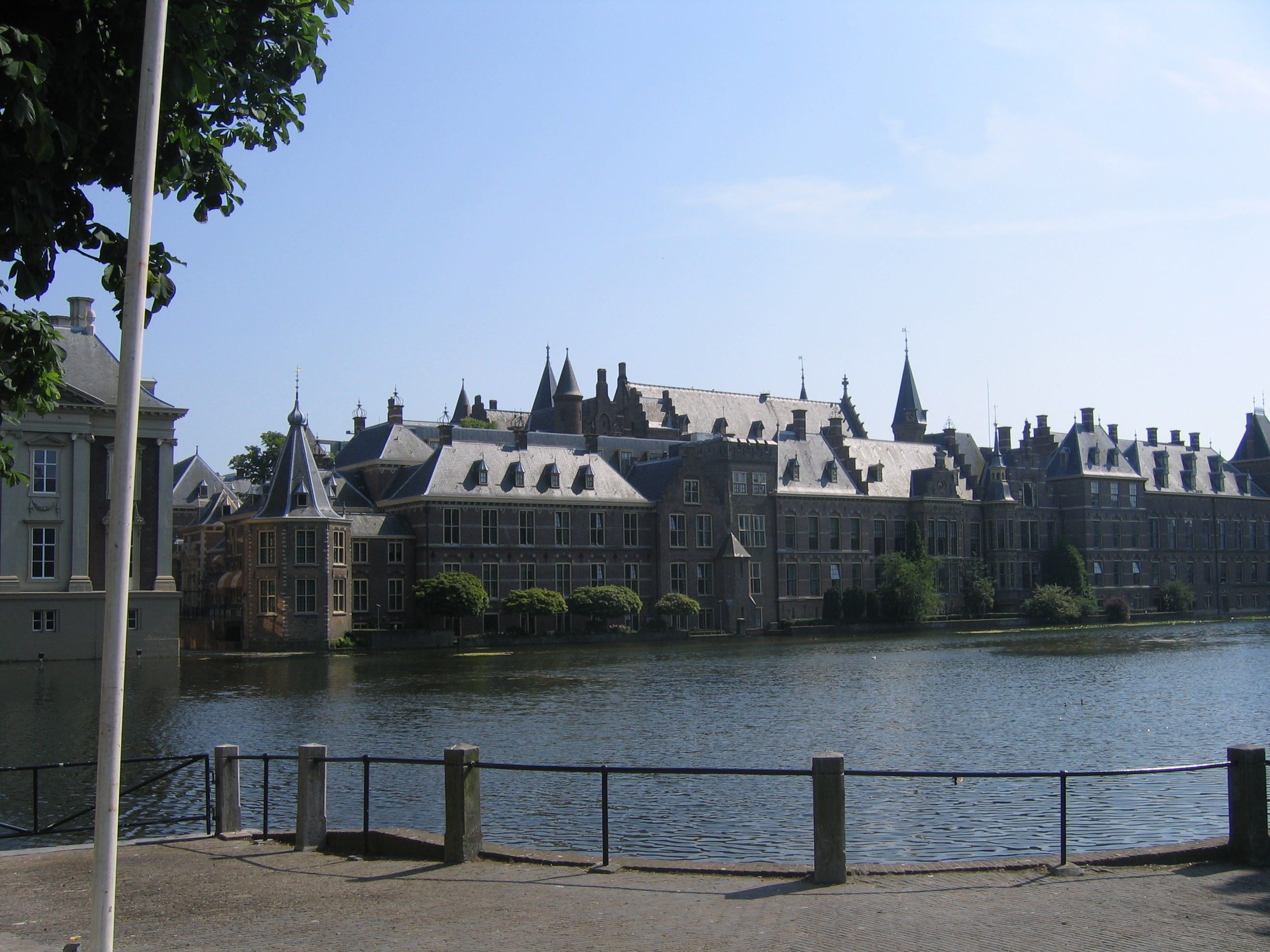
The Binnenhof
My last day was spent with a gathering of the Dutch clergy, honoring the end of the Year of the Priest, in ‘s-Hertogenbosch (Den Bosch for short). The guest of honor, presider and lecturer was the recently retired Cardinal Walter Kasper, who has been president of the Pontifical Council for Christian Unity for the last decade. Between the morning’s Eucharist and the afternoon’s lecture and vespers, we wandered around the town, sampled the famous Bosch Bollen, and toured the city from the canals that run beneath the city.
The cardinal’s address was delivered in German, and we were provided with Dutch translations in advance enough for me to glean the basic points from my host before the lecture began.

Cardinal Kasper in Den Bosch
(As I was searching for an English translation, I came upon a blog, In Caelo et in Terra, that included them and a photo from the event. I have commandeered both, so please give credit where it is due.) His remarks reflected on his more than half century of ordained ministry, and he addresses head-on the topics of clericalism and celibacy, and does not shy away from the scandal. His central point is that the priest must be a servant of joy, must put aside secondary attitudes (clericalism) and focus on Christ and his community. It was a fine way to end my year in Europe, in the company of a great friend sitting at the feet of a great teacher!
The Year of the Priest: Corresponsibility of Priests and Laity
The Lay Centre has three major aspects to its ministry of hospitality and formation. The first is the one most familiar to anyone reading my blog or following my studies, which is the community of students and scholars who live in the house of formation throughout the academic year (Oct-June) and who eat, pray and learn together in an ongoing dialogue of life. The second is the ongoing adult formation offered (mostly) to the English-speaking population of Rome. Theology, spirituality, church history, liturgy, art, and architecture offered by faculty of the pontifical universities and visiting scholars every Thursday morning as part of the Vincent Pallotti Institute.
The third piece of the mission is the summer seminars and retreats offered by the lay centre. During June, July, and September groups come in from around the world to spend a week in Rome. Some have their own agenda and primarily enjoy the hospitality of the Lay Centre, while others are sponsored by the Centre directly and open to anyone from around the world.
A few years ago I remember hearing about Rome’s first-ever symposium on Lay Ecclesial Ministry, and recall thinking to myself, “First? This has been going on 50 years and they are only now talking about it???” Little did I know. (One can hear about how slowly time moves in the Eternal City, but you really have to be there to appreciate it, soak it in, and start wondering what all the fuss was about back when you cared about things like deadlines, traffic laws, and absolute concepts of any kind…)
One of the programs offered this summer was the latest in the series touching on lay ecclesial ministry, but with a timely twist. In honor of the Year of the Priest, and timed to coincide with the closing festivities of the year, the theme was taken from Pope Benedict’s address to the annual convention of the diocese of Rome (given at St. John Lateran on May 26, 2009) and again later to the presbytery of Rome at the beginning of the year: “Corresponsibility of Priests and Laity”.
The unique opportunities for a program like this in Rome include access to so much of the Church’s history within walking distance, access to curia officials, access to representatives of the Church from all over the world, and of course the hospitality of the Lay Centre.
The program progressed through the centuries day by day, with an examination of key saints and their experience of “corresponsibility”. We studied St. Paul and his collaborators with Abbot Edmund Power of the Benedictine Abbey of St. Paul Outside the Walls – guardians of the tomb of the great missionary and co-patron of Rome. St. Justin Martyr, a layman, buried at St. Lawrence Outside the Walls. Pope St. Gregory the Great, with his oratory of St. Andrew is literally just over the wall from my Roman home. St. Vincent Pallotti was an early modern pioneer of lay formation.
Contemporary organizations and developments we looked at included the Emmanuel Community, Sant’Egidio, the Pontifical Council for the Laity, and the Union of the Catholic Apostolate. Presenters included Dr. Marian Diaz, Fr. William Henn of the Gregorian, Ms. Ana Crisitina Villa-Betancourt of the PCL, Fr. Jean Baptiste Edart of the Emmanuel Community, and John Breen of the Beda College in Rome. The participants were mostly students and (both lay and ordained) ministers from the U.S., but included one Dutch pastoral life director.
[Further Reflection to Follow]
Quote of the Day
First tip to Catholic News Service; full quote from John Allen, Jr.:
In terms of what we today can discover in this message, attacks against the pope or the church don’t come just from outside the church. The suffering of the church also comes from within the church, because sin exists in the church. This too has always been known, but today we see it in a really terrifying way. The greatest persecution of the church doesn’t come from enemies on the outside, but is born in sin within the church. The church thus has a deep need to re-learn penance, to accept purification, to learn on one hand forgiveness but also the necessity of justice. Forgiveness does not exclude justice. We have to re-learn the essentials: conversion, prayer, penance, and the theological virtues.
Pope Benedict XVI,
In-flight press conference en route to Portugal
Reform and Renewal for the Catholic Church in Ireland

Most Rev. Diarmuid Martin, Archbishop of Dublin
By an accident of history, or some mysterious move of the Holy Spirit, it has happened that I was in graduate school in capital cities of the church when the Clerical Sex Abuse and Cover-up Scandals hit the press in the last decade. When the firestorm that started in Santa Rosa spread to Boston and the rest of the U.S., I was in Washington, D.C. at The Catholic University of America. This time around I am at the Angelicum in Rome as the Church in Europe begins to do public penance for the same sins.
There are some significant differences. Eight years ago, one cause of great suffering for people who loved the Church was the abject
failure of most of its leadership to respond with absolute clarity and contrition. In 2002, the Dallas Charter finally implemented norms simliar to those that Archbishop Hunthausen of Seattle had pioneered back in 1985 after the very first media scandal of sacerdotal sex abuse. But I have no recollection of any leading bishop standing up publicly and denouncing the evil committed by fellow bishops. If an effort was made to reprimand even the most grevious offenders, bishops who protected predator priests, it was done behind the “mafia-like code of silence” that was described in the U.S. Bishops’ own commissioned study of the scandal.
By contrast, when Ireland became the first country in a wave of European church scandals, Dublin’s Archbishop, Diarmuid Martin, did not hold back from publicly calling on fellow bishops to resign if they had been indicted or implicated by the state’s criminal investigation. He has not hesitated in stating simply that the Church had sined, in its highest levels of leadership, and that healing required real admission of guilt and an openness to change.
That seems to me all that most people want – a little honesty, and a clear sense that 1) the Church’s leadership recognizes the full extent of the problem, 2) the bishops are willing to take to task their own numbers as appropriate, and 3) all of this is absolutely transparent. It is not enough to protect us against the priest predators in the first place, which the U.S. Bishops’ Conference policies seem to have been doing admirably well, where implemented, but the final piece required is to hold accountable those who allowed this all to happen in the first place.
Today, Archbishop Martin wrote an extended letter that was published on the archdiocesan website, detailing his thoughts on the situation and his vision for renewal. It is honest and straightforward, and touches on a number of critical issues. If every bishop were so committed to living the Gospel with such humility and transparency, I think the millions who love Christ and his church, but have been hurt by their “shepherds” would begin to heal and return to the life of faith with a renewed spirit that the church has not seen in a long time.
Archbishop Martin admits he is disheartened and discouraged about the “level of willingness to really begin what is going to be a painful path of renewal and of what is involved in that renewal.” This makes him one of a small handful of bishops publicly in solidarity with most Catholics I know – whether lay or ordained, secular or ecclesiastical, traditional or progressive.
“ Why am I discouraged? The most obvious reason is the drip-by-drip never-ending revelation about child sexual abuse and the disastrous way it was handled. There are still strong forces which would prefer that the truth did not emerge. The truth will make us free, even when that truth is uncomfortable. There are signs of subconscious denial on the part of many about the extent of the abuse which occurred within the Church of Jesus Christ in Ireland and how it was covered up. There are other signs of rejection of a sense of responsibility for what had happened. There are worrying signs that despite solid regulations and norms these are not being followed with the rigour required.”
He acknowledges a deeper root, a contributing factor – people in Ireland have been catechized but not evangelized. Similar to the graduates of Catholic schools in the U.S. they know about the faith but do not live it. He laments the growing division between parish and catholic school, and the failure of most parishes to engage young people, who he says more and more find the parish “alien territory”.
He discusses the church’s communications strategy, which critics had labeled as “catastrophic”, he responds,
“My answer is that what the Murphy report narrated was catastrophic and that the only honest reaction of the Church was to publicly admit that the manner in which that catastrophe was addressed was spectacularly wrong; spectacularly wrong “full stop”; not spectacularly wrong, “but…” You cannot sound-byte your way out of a catastrophe.”
How refreshing to hear, simply, “we were wrong.” Not, “we are under attack”, or “why are you picking on us, there are other abusers too!”, et al.
He engages the whining “defenses” of the Church offered by some and dismisses them easily. It does not matter if sexual abuse by priests is only a small percentage of abuse over all, or if the culture of the late 60’s was more sexually permissive, or if “experts” then did not share the view of experts now on the cause and potential cure of abuse. The Church has always known good from evil, and in too many cases failed to choose the good.
“The Church is different; the Church is a place where children should be the subject of special protection and care. The Gospel presents children in a special light and reserves some of its most severe language for those who disregard or scandalise children in any way.”
Tied into the necessary renewal of the parishes, he speaks plainly about the need for the renewal of seminaries and priestly formation, unreservedly identifying clericalism as one of the root sins that must be eliminated if we are to move on from this crisis.
“Renewal of the Church requires participation and responsible participation. I have spoken about the need for accountability regarding the scandal of sexual abuse. I am struck by the level of disassociation by people from any sense of responsibility. While people rightly question the concept of collective responsibility, this does not mean that one is not responsible for one’s personal share in the decisions of the collective structures to which one was part.
We need to take a radical new look at the formation of future priests. I am working on plans to ensure that for the future in Dublin our seminarians, our prospective deacons and our trainee lay pastoral workers in the Archdiocese of Dublin will share some sections of their studies together, in order to create a better culture of collaborative ministry. The narrow culture of clericalism has to be eliminated. It did not come out of nowhere and so we have to address its roots in seminary training. We also have to ensure that lay pastoral workers understand that all mission in the Church is calling and requires a self-understanding which is theological in essence.”
Despite his discouragement with the prophets of doom and despair, the protectors of pedophiles, and those still in denial about the true nature of these sins, he ends with a note of hope:
“The Catholic Church in Ireland, as I said, will have to find its place in a very different, much more secularised culture, at times even in a hostile culture. It will have to find that place by being authentic and faithful to the person and the message of Jesus Christ. The agenda for change in the Church must be one that comes from its message and not from pressure from outside and from people who do not have the true good of the Church at heart. We all have reasons to be discouraged and to be angry. There is a sense, however, in which true reform of the Church will spring only from those who love the Church, with a love like that of Jesus which is prepared also to suffer for the Church and to give oneself for the Church.”
The full text of the Archbishop’s letter can be read here.
Papal Q & A in Malta
On his brief visit to Malta, the Holy Father entertained questions from Maltese “youth” (Euro-speak for young adults in their 20s and 30s). The opener speaks for more young Catholics I have met in my ministry than any other, and the Pope’s response is worth reading.
The Question:
I wish to speak on behalf of those young people who, like me feel they are on the outskirts of the Church. We are the ones who do not fit comfortably into stereotyped roles. This is due to various factors among them: either because we have experienced substance abuse; or because we are experiencing the misfortune of broken or dysfunctional families; or because we are of a different sexual orientation; among us are also our immigrant brothers and sisters, all of us in some way or another have encountered experiences that have estranged us from the Church. Other Catholics put us all in one basket. For them we are those “who claim to believe yet do not live up to the commitment of faith.”
To us, faith is a confusing reality and this causes us great suffering. We feel that not even the Church herself recognizes our worth. One of our deepest wounds stems from the fact that although the political forces are prepared to realize our desire for integration, the Church community still considers us to be a problem. It seems almost as if we are less readily accepted and treated with dignity by the Christian community than we are by all other members of society.
We understand that our way of life puts the Church in an ambiguous position, yet we feel that we should be treated with more compassion – without being judged and with more love.
We are made to feel that we are living in error. This lack of comprehension on the part of other Christians causes us to entertain grave doubts, not only with regards to community life, but also regarding our personal relationship with God. How can we believe that God accepts us unconditionally when his own people reject us?
Your Holiness, we wish to tell you that on a personal level – and some of us, even in our respective communities – are persevering to find ways in which we may remain united in Jesus, who we consider to be our salvation.
However, it is not that easy for us to proclaim God as our Father, a God who responds to all those who love him without prejudice. It is a contradiction in terms when we bless God’s Holy Name, whilst those around us make us feel that we are worth nothing to him.
We feel emarginated, almost as if we had not been invited to the banquet. God has called to him all those who are in the squares and in the towns, those who are on the wayside and in the country side, however we feel he has bypassed our streets. Your Holiness, please tell us what exactly is Jesus’ call for us. We wish you to show to us and the rest of the Church just how valid is our faith, and whether our prayers are also heard. We too wish to give our contribution to the Catholic community.
Your Holiness, what must we do?
The Answer:
“Every personal encounter with Jesus is an overwhelming experience of love. Previously, as Paul himself admits, he had ‘persecuted the church of God violently and tried to destroy it’ (Gal 1:13). But the hatred and anger expressed in those words was completely swept away by the power of Christ’s love. For the rest of his life, Paul had a burning desire to carry the news of that love to the ends of the earth.
Maybe some of you will say to me, Saint Paul is often severe in his writings. How can I say that he was spreading a message of love?
My answer is this. God loves every one of us with a depth and intensity that we can hardly begin to imagine. And he knows us intimately, he knows all our strengths and all our faults. Because he loves us so much, he wants to purify us of our faults and build up our virtues so that we can have life in abundance. When he challenges us because something in our lives is displeasing to him, he is not rejecting us, but he is asking us to change and become more perfect.
That is what he asked of Saint Paul on the road to Damascus. God rejects no one. And the Church rejects no one. Yet in his great love, God challenges all of us to change and to become more perfect.
Saint John tells us that perfect love casts out fear (cf. 1 Jn 4:18). And so I say to all of you, “Do not be afraid!” How many times we hear those words in the Scriptures! They are addressed by the angel to Mary at the Annunciation, by Jesus to Peter when calling him to be a disciple, and by the angel to Paul on the eve of his shipwreck. To all of you who wish to follow Christ, as married couples, as parents, as priests, as religious, as lay faithful bringing the message of the Gospel to the world, I say, do not be afraid! You may well encounter opposition to the Gospel message.
Today’s culture, like every culture, promotes ideas and values that are sometimes at variance with those lived and preached by our Lord Jesus Christ.
Often they are presented with great persuasive power, reinforced by the media and by social pressure from groups hostile to the Christian faith. It is easy, when we are young and impressionable, to be swayed by our peers to accept ideas and values that we know are not what the Lord truly wants for us. That is why I say to you: do not be afraid, but rejoice in his love for you; trust him, answer his call to discipleship, and find nourishment and spiritual healing in the sacraments of the Church.
Here in Malta, you live in a society that is steeped in Christian faith and values. You should be proud that your country both defends the unborn and promotes stable family life by saying no to abortion and divorce. I urge you to maintain this courageous witness to the sanctity of life and the centrality of marriage and family life for a healthy society. In Malta and Gozo, families know how to value and care for their elderly and infirm members, and they welcome children as gifts from God. Other nations can learn from your Christian example.
In the context of European society, Gospel values are once again becoming counter-cultural, just as they were at the time of Saint Paul In this Year for Priests, I ask you to be open to the possibility that the Lord may be calling some of you to give yourselves totally to the service of his people in the priesthood or the consecrated life. Your country has given many fine priests and religious to the Church. Be inspired by their example, and recognize the profound joy that comes from dedicating one’s life to spreading the message of God’s love for all people, without exception.
I have spoken already of the need to care for the very young, and for the elderly and infirm.
Yet a Christian is called to bring the healing message of the Gospel to everyone. God loves every single person in this world, indeed he loves everyone who has ever lived throughout the history of the world. In the death and Resurrection of Jesus, which is made present whenever we celebrate the Mass, he offers life in abundance to all those people.
As Christians we are called to manifest God’s all-inclusive love. So we should seek out the poor, the vulnerable, the marginalized; we should have a special care for those who are in distress, those suffering from depression or anxiety; we should care for the disabled, and do all we can to promote their dignity and quality of life; we should be attentive to the needs of immigrants and asylum seekers in our midst; we should extend the hand of friendship to members of all faiths and none.
That is the noble vocation of love and service that we have all received.
Bishop Don Bolen
He got the call on the feast of the Immaculate Conception, 8 December 2009. “The Holy Father would like you to be bishop of Saskatoon.”
It is significant then, that his ordination as bishop take place today, on the feast of the Annunciation, 25 March 2010.
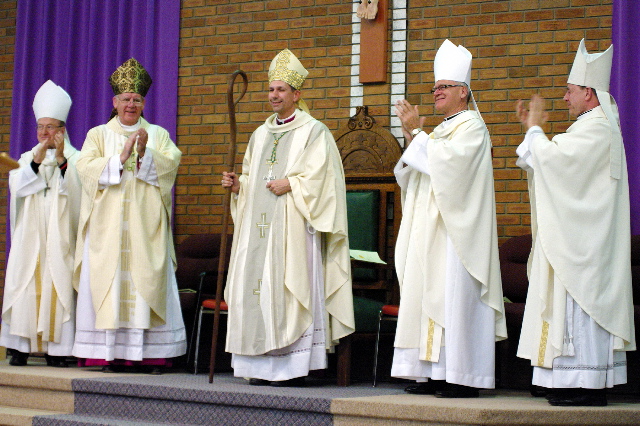
Bishop Don Bolen at his ordination
In between these two events, I had the privilege of being the bishop-elect’s student in Rome for his half of a course on Methodism and its dialogue with the Catholic Church. I even wrote up a short blog article about the class and my first encounter with Msgr. Bolen, here.
I had offered some first impressions at the end of that blog. Over lunch on his next-to-last day in Rome, Father Don mentioned that someone had directed him to my blog about him, and he suggested that perhaps I should revisit my impressions now that we had gone through an entire class together. Fair enough.
The people of Saskatoon are blessed among Canadians. That is all there is to it.
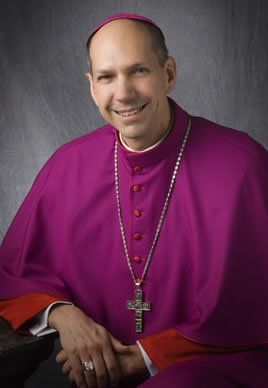
Bishop Don Bolen of Saskatoon, Saskatchewan, Canada
Most bishops have no training or formation to become bishop, not really. They see how their bishop acts, think what they would do, and that’s about it. Bishop Bolen spent years on the Vatican desk covering the dialogues with the Anglicans and the Methodists, where episcopacy and authority, indeed ecclesiology in general, are the major issues of discussion. What better formation than to be a theologian-pastor studying the highest level conversations about what it means to be a bishop, ecumenically, especially when Ratzinger is Pope and Kasper is President of the Pontifical Council for Promoting Christian Unity? Granted, it is one thing to engage in discussion about the episcopacy, and another to live it out, but what an opportunity!
So that’s the leadership aspect. What about teaching? At the end of our course, (team taught by Bishop Don and the Rev. Dr. Trevor Hoggard, the Methodist Representative to the Holy See) several of us had concluded this was one of the most valuable courses offered, in terms of both method and content. It was pretty straightforward: Get a solid introduction to the Methodist church from a Methodist pastor/theologian, get a thorough overview of the dialogue from the Catholic perspective, and culminate in a mock-dialogue with actual participants from the international dialogues, complete with Anglican observer.
The celebration of his ordination as bishop in Saskatoon was attended by several ecumenical leaders locally, and by a delegation from Rome that included Bishop Brian Farrell, Secretary of the PCPCU, Fr. James Puglisi, SA, Father-General of the Friars of the Atonement and Director of the Centro Pro Unione, Very Rev. David Richardson, ChStJ, the Archbishop of Canterbury’s Representative to the Holy See, and others. I have included a link to the pictures that the diocese has put up about the event, including a slide show.
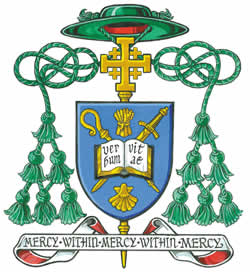 His motto is “Mercy within Mercy within Mercy” and his coat of arms and biographical information are here. Weslyan hymns specifically chosen by the bishop were a central part of the ordination liturgy, as was an ecumenical prayer service that looks to have been very well attended.
Being bishop is no easy task and my prayers are with this newest of Canada’s episcopate. Coming from a diocese that has not seen a ‘normal’ transition of episcopal leadership since before I was born, I can especially appreciate what it means for a local church to find a shepherd that makes such a good fit, and I hope the coming years are fruitful and filled with the Spirit.
 The Ecumenism Blog